New solar and system-review enquiries in Shailer Park
Considering a first solar installation or a change to an existing system in Shailer Park? Begin by separating the problem you want to solve from the equipment you have been offered. Reducing purchased electricity, investigating disappointing output and preparing for a future battery are different enquiry briefs.
For a new installation, gather electricity bills and note when major appliances run. For an existing system, keep the inverter details, installation paperwork and any monitoring records together. Explain what has changed, such as your household routine or electricity use, rather than assuming extra panels are the answer.
Discuss the property and your priorities with NG Trade Solutions so we can confirm availability and the next assessment steps. Our equipment guide and battery information can help you prepare specific questions.
Understand the equipment in your proposal
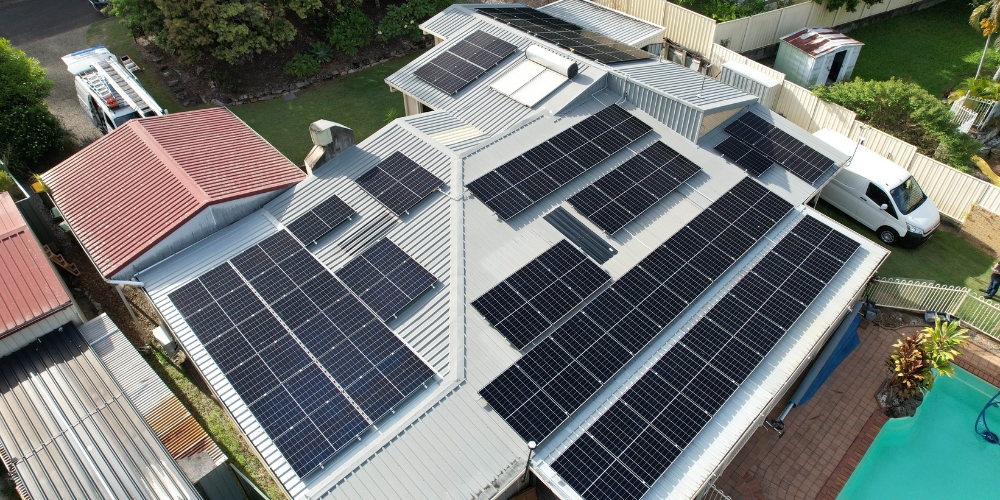
Solar panels, also known as photovoltaic (PV) panels, are devices that convert sunlight into electricity using the photovoltaic effect.
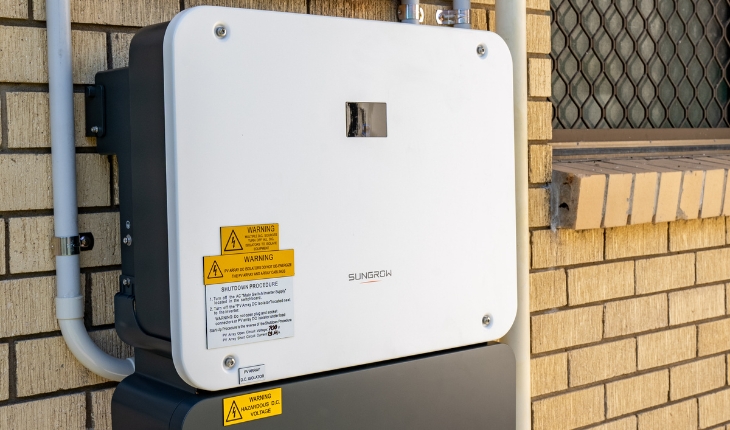
A solar inverter is a crucial component of a solar photovoltaic (PV) system that converts the direct current (DC) electricity generated by solar panels into alternating current (AC) electricity, which is the standard form used by homes and businesses.
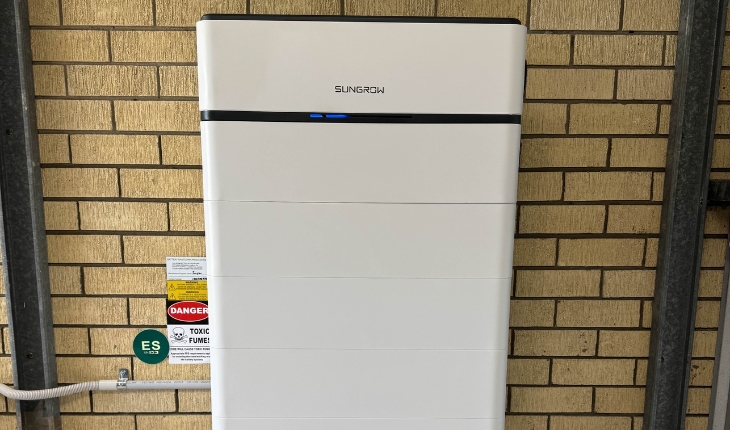
Ask which battery functions the proposal includes: storing electricity for later use, any outage-supply capability, and the equipment needed for those functions. Request the operating limits for the proposed system.
A solar mounting system, or solar racking system, is the framework that securely attaches solar panels to a surface like a roof, ground, or building facade, ensuring optimal sunlight exposure and stability.
Numerous materials are required to complete a solar system installation comparison of items such as wiring cable between the components, conduit to house the wiring cable, ties and clips to hold elements in place, isolator switches for safety and access, circuit breakers within the switchboard, and more.
Mandatory and optional accessories and options are available for solar system installations including smart metres/ consumption monitors, hot water timers, surge protection, EPS power backup, surge protection, optimisers, inverter and battery covers, hybrid inverters, micro inverters, all black panels, all black mounting and more.
Use the Australian Government Solar Consumer Guide to prepare for comparing proposals. Ask for the assumptions behind any estimated benefit, including the electricity-use pattern and equipment included. A headline saving is not a substitute for an assessment of your property.
Prepare for a new system or upgrade
State whether you need a new installation, an equipment review or an upgrade discussion. This helps keep fault investigation separate from a new-system quote.
Provide recent bills and describe changes in occupancy or appliance use. Ask which period has been used for any estimate.
Find the inverter details and original installation paperwork if available. Monitoring records can help you explain the concern you want assessed.
Record when you noticed a change and what the display or monitoring showed. Avoid attempting electrical repairs yourself.
For an upgrade, request a clear list of existing components that stay and proposed replacements. Ask how compatibility will be assessed.
Separate equipment, installation, provisional work and exclusions. Ask why proposals differ before deciding from price alone.
If a battery or vehicle charger is a future possibility, say so. Ask what provision is included now and what remains a later design decision.
Ask which warranties, operating instructions and monitoring details apply to the actual products in the quote.
If you want selected appliances supplied during an outage, identify them in the enquiry. Ask whether that function is included rather than assuming it follows from adding a battery.
Compare the work against your actual goal
A Shailer Park upgrade enquiry is easier to assess when it includes the history of the current system. Tell us whether you are investigating a performance concern, replacing equipment or planning additional capacity. Keep these objectives separate in the quote so you can see what each part is intended to achieve.
For a first installation, ask for the reasoning behind the proposed equipment and layout. For an upgrade, ask which existing components would remain and which would change. Do not assume a later battery or extra panels can be added without checking the design at that time.
Ready to Get Started?
Include your Shailer Park address, whether solar is already installed, and the main reason for your enquiry. If you have an existing system, describe its make, approximate installation date and any issue you have noticed. We can discuss assessment options and confirm appointment availability.
A solar energy system consists of photovoltaic panels that convert sunlight into electricity, an inverter to process the energy, and optional batteries for storage.
Both residential and commercial property owners can benefit from solar systems, which offer reduced energy costs, environmental benefits, and energy independence.
The energy output depends on the system size, location, and sunlight exposure. We design systems to maximise energy production based on your property’s conditions.
Compare the written scope, equipment models, installation work and exclusions. Ask for any discount or incentive assumptions to be identified and checked for the proposed installation before relying on the final price.
Request the actual product and installation warranty documents. Check the covered equipment, claim contact, conditions and exclusions; do not assume every panel, inverter or battery has the same warranty.
Ask what future changes the proposed design allows for and what would require reassessment. A later expansion should be checked against the equipment, available space and requirements at that time.
Solar systems require minimal maintenance, but regular inspections and occasional cleaning ensure they continue to perform efficiently.