Planning solar for St Lucia, Brisbane
Planning solar for a property in St Lucia, Brisbane, Queensland? Start with the electricity supply and roof you are actually able to use. A house, an individually metered unit and a building with shared areas can involve different decisions. Tell NG Trade Solutions which arrangement applies when you enquire, so the discussion starts with your property rather than a standard package.
Before choosing panel numbers, gather a recent electricity bill, your usual daytime and evening usage, and details of any existing solar equipment. If a roof or electricity account is shared, identify the person who can authorise an assessment. This page concerns the Brisbane suburb of St Lucia; include the street address and postcode so we can confirm the location and appointment availability.
You can explore our solar components and battery options, but equipment selection should follow the property assessment.
Equipment questions for your property
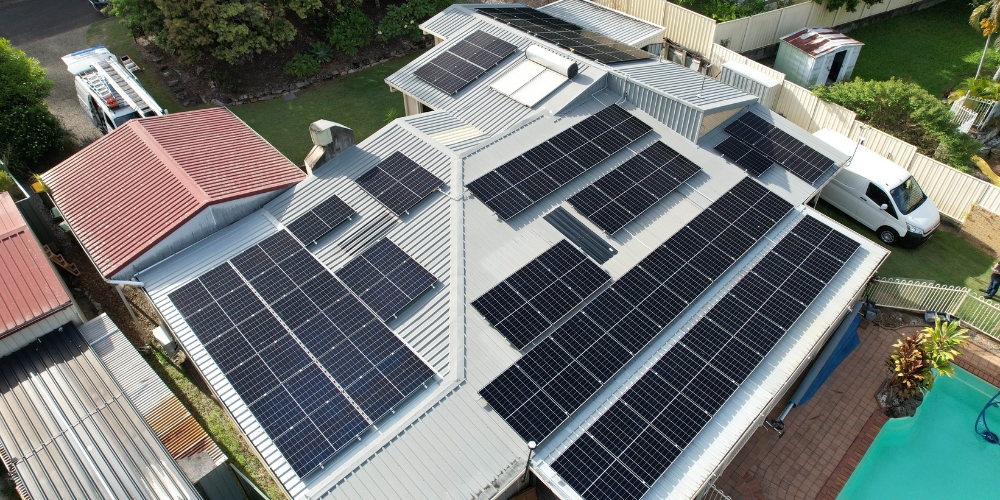
Solar panels, also known as photovoltaic (PV) panels, are devices that convert sunlight into electricity using the photovoltaic effect.
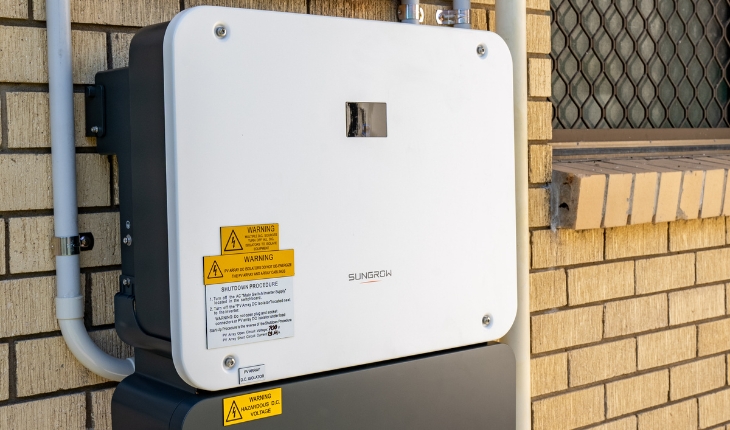
A solar inverter is a crucial component of a solar photovoltaic (PV) system that converts the direct current (DC) electricity generated by solar panels into alternating current (AC) electricity, which is the standard form used by homes and businesses.
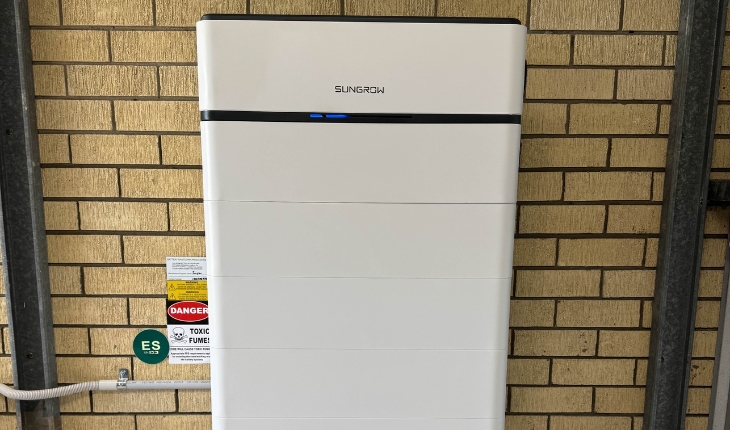
Ask which battery functions the proposal includes: storing electricity for later use, any outage-supply capability, and the equipment needed for those functions. Request the operating limits for the proposed system.
A solar mounting system, or solar racking system, is the framework that securely attaches solar panels to a surface like a roof, ground, or building facade, ensuring optimal sunlight exposure and stability.
Numerous materials are required to complete a solar system installation comparison of items such as wiring cable between the components, conduit to house the wiring cable, ties and clips to hold elements in place, isolator switches for safety and access, circuit breakers within the switchboard, and more.
Mandatory and optional accessories and options are available for solar system installations including smart metres/ consumption monitors, hot water timers, surge protection, EPS power backup, surge protection, optimisers, inverter and battery covers, hybrid inverters, micro inverters, all black panels, all black mounting and more.
For independent background before requesting quotes, use the Australian Government Solar Consumer Guide. Bring any unclear proposal terms to your enquiry, particularly assumptions about household usage, exported electricity and future battery additions.
Prepare a clear assessment brief
Which bill and meter will the proposal address? If more than one account serves the property, label them before asking for an estimate.
Tell the installer who controls the roof and whether access crosses shared areas. Ask what information is needed before an inspection.
Note weekday daytime activity and evening loads. Ask which usage assumptions are being used in the proposal.
If solar is already installed, supply the inverter make and model and any available system paperwork. Ask whether existing components are included in the assessment.
For a property with common areas, distinguish their electricity needs from your own account. Do not assume one proposal covers both.
Ask for equipment, installation work, exclusions and any provisional costs to be listed separately. Compare proposals against the same brief.
Ask which operating instructions, equipment records and monitoring information will be supplied at completion.
Mention possible changes in occupancy, vehicle charging or hot-water use. Ask which changes the proposed design can accommodate and which need a later review.
If outage supply matters, list the appliances you want to run and ask for the proposed backup function to be explained explicitly.
Discuss your St Lucia installation scope
A useful St Lucia solar enquiry describes who uses the electricity, who controls the roof and what you want the installation to achieve. If you are comparing proposals for a shared building, ask each supplier to state the same scope: which meter is involved, which areas are included, who needs to approve the work, and what is excluded.
Ask NG Trade Solutions for an explanation of the proposed equipment and installation scope before deciding. Keep future plans, such as an electric vehicle or a battery, separate from the equipment included in the current quote. This makes the costs and assumptions easier to compare.
Ready to Get Started?
Use the form below to request a solar discussion for St Lucia, Brisbane. Include your property type, whether the roof or meter is shared, any existing system, and your main goal. We can then discuss the next assessment steps and confirm availability for your address.
A solar energy system consists of photovoltaic panels that convert sunlight into electricity, an inverter to process the energy, and optional batteries for storage.
Both residential and commercial property owners can benefit from solar systems, which offer reduced energy costs, environmental benefits, and energy independence.
The energy output depends on the system size, location, and sunlight exposure. We design systems to maximise energy production based on your property’s conditions.
Compare the written scope, equipment models, installation work and exclusions. Ask for any discount or incentive assumptions to be identified and checked for the proposed installation before relying on the final price.
Request the actual product and installation warranty documents. Check the covered equipment, claim contact, conditions and exclusions; do not assume every panel, inverter or battery has the same warranty.
Ask what future changes the proposed design allows for and what would require reassessment. A later expansion should be checked against the equipment, available space and requirements at that time.
Solar systems require minimal maintenance, but regular inspections and occasional cleaning ensure they continue to perform efficiently.