
Quick Answer
So, how much does plumbing make in Australia? According to Jobs and Skills Australia, the median full-time plumber earns comfortably above the typical Australian wage, and advertised salaries on SEEK sit in a similar, solidly above-average band. Apprentices, however, earn considerably less on award rates, while experienced specialists and business owners can earn substantially more again.
Above Average
Median Full-Time Pay
In Demand
On the Skills Shortage List
Paid
Multi-Year Apprenticeship
Licensed
QBCC Regulated Trade
Average Plumber Salary in Australia
Plumber pay is best read as a ladder rather than a single number. Where you sit depends mostly on your qualification stage. Consequently, the gap between the bottom and top rungs is wide.
Apprentice
Award rates start low in the first year, depending on age and schooling, with adult apprentices paid more than school leavers. Pay then steps up each year of the apprenticeship.
Qualified Employee
Advertised full-time roles on SEEK sit well above the national median wage. The government’s median for full-time plumbers is higher again, because it reflects overtime and experience.
Experienced or Senior
Meanwhile, salary surveys place plumbers with many years in the trade markedly higher still, particularly in supervisory or commercial roles.
Business Owner
Licensed contractors set their own rates and can earn well above employee figures, but they also carry vehicles, insurance, tools, admin and quiet weeks. For that reason, the spread is the widest of any group.
These figures are national and cover employees paid at adult rates. Regional and mining-area work often pays above them, while part-time and casual roles sit below.
Factors That Influence a Plumber’s Earnings
When people ask “how much does plumbing make”, the honest answer is “it depends”, and these are the things it depends on.
Location
Capital cities pay more than regional towns in most cases, and remote or mining regions pay a premium to attract licensed trades.
Type of Work
Residential service, commercial construction, maintenance contracts and industrial sites each pay differently and, in addition, demand different hours.
Licences and Endorsements
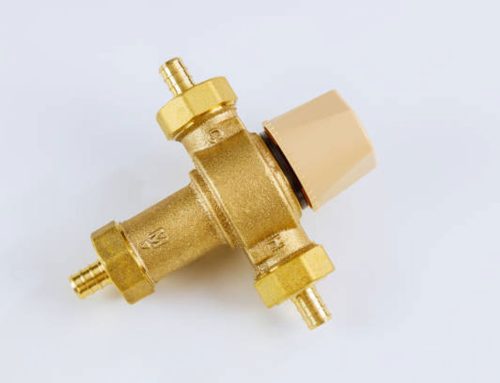
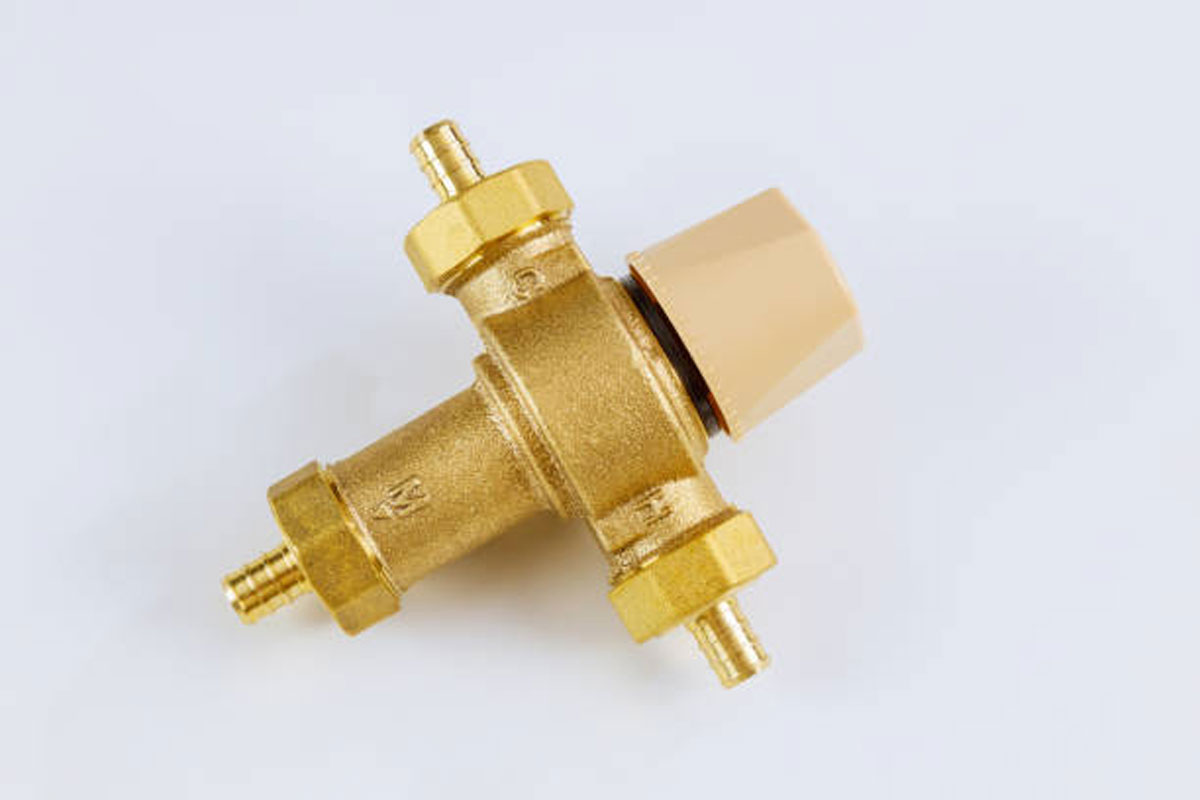
Gas fitting, backflow prevention, thermostatic mixing valves and drainage endorsements widen the work you can legally take on and, as a result, lift your rate.
Hours and Call-Outs
Overtime, weekend work and after-hours emergency call-outs attract higher rates and can therefore add a substantial slice to annual earnings.
Experience and Reputation
Above all, plumbers who diagnose quickly, communicate clearly and leave a clean site are the ones employers and customers fight over.
Employee or Owner
Running your own business lifts the ceiling on income but adds risk, unpaid admin and the responsibility of finding the next job.
The Career Path from Apprentice to Master Plumber
Plumbing is a licensed trade, so each stage of the path unlocks more work and more pay. By the licensed stage, the answer to “how much does plumbing make” looks very different from the apprentice years.
Apprenticeship
A paid apprenticeship over several years, combining on-the-job training with a Certificate III in Plumbing at TAFE or a registered training organisation.
Qualified Tradesperson
Once the Certificate III is complete, you work as a plumber under a licensed supervisor and your pay moves to full tradesperson rates.
Licensed Plumber
In Queensland, plumbing and drainage work requires a QBCC licence. A Certificate IV and evidence of experience are also needed to hold a contractor licence and run jobs yourself.
Supervisor or Business Owner
Eventually, experienced licensed plumbers move into supervising teams, estimating and project management, or start their own business.
Master Plumber
In Australia the title usually describes a highly experienced licensed plumber running a business, often a member of a state Master Plumbers association, rather than a separate licence class.
Highest Paying Plumbing Specialisations
Once licensed, specialising is the fastest way up the pay scale. These fields, in particular, consistently advertise above the general plumber range.
Gas Fitting
Adding a gas licence opens hot water, cooking, heating and commercial kitchen work, so dual-licensed plumbers are in constant demand.
Roof Plumbing
Roof plumbers advertise above the general plumber range on SEEK, with commercial high-rise work at the upper end.
Hydraulic and Mechanical Services
Designing and installing water, drainage and mechanical systems for commercial and high-rise buildings is complex and, as a result, well paid work.
Fire Services
Sprinkler and fire hydrant systems sit under strict standards and attract specialist rates, particularly on large construction projects.
Mining and Remote Maintenance
Likewise, fly-in fly-out and remote-site roles pay well above city rates in exchange for rosters away from home.
Emergency and Business Ownership
After-hours emergency work commands premium rates, while owners who build a reliable local reputation set their own ceiling.
At NG Trade Solutions our licensed plumbers work across residential and commercial jobs every day, from emergency call-outs to hot water, gas and drainage. You can see the full range on our plumbing services page, and if you are thinking about the trade as a career, then our careers page lists current openings for apprentices and qualified plumbers.
Please note: Earnings comparisons are indicative only and drawn from Jobs and Skills Australia (ABS Survey of Employee Earnings and Hours), SEEK advertised salary ranges and published industry salary surveys. Award wages, market conditions and individual circumstances change, so treat everything here as a guide rather than a promise.
Frequently Asked Questions
Common questions about plumber pay and plumbing careers in Australia.
How much does a first-year plumbing apprentice earn?
Under the relevant award, first-year apprentices earn a modest wage that depends on their age and whether they have finished school, with adult apprentices paid at a higher rate. Pay then rises each year of the apprenticeship, and overtime and allowances can add to the base rate.
Is plumbing a good career in Australia?
If you are weighing up how much does plumbing make against other trades, it sits among the better-paid options, and demand is strong: Jobs and Skills Australia lists plumbers on its current Occupation Shortage List and projects steady growth in the workforce every year. The work is physical and the apprenticeship takes commitment, but the trade offers job security, clear progression and the option to run your own business.
How long does it take to become a licensed plumber in Queensland?
Most plumbers complete their apprenticeship and Certificate III, then apply to the QBCC for the appropriate licence. Holding a contractor licence, which lets you run jobs and quote in your own name, requires a Certificate IV and documented experience, so many plumbers reach that point several years after starting.