6.6kW
Most Popular Size
3-6 yrs
Typical Payback Period
25 yrs
Common Panel Warranty
Brisbane
High Sunshine City
What Determines Solar Power Panel Price?
Solar power panel price is driven by system size, the quality of panels and inverter, your roof complexity and any electrical upgrades needed. In Brisbane, federal rebates significantly reduce the up-front cost, with most quality residential systems paying for themselves within several years.
When people ask about solar power panel price, they are usually thinking about the cost of the panels alone, but the panels are only one line item. A complete system price includes the inverter, mounting hardware, cabling, isolators, switchboard work, installation labour, compliance and the rebate paperwork. The single biggest variable is the size of the system, measured in kilowatts, because a larger array needs more panels and a bigger inverter.
It is important to understand that the price you are quoted should already include the federal small-scale renewable energy incentive. Reputable installers apply this discount up front, so the figure you see is the out-of-pocket cost. That is why a like-for-like comparison between quotes matters so much, two prices can look very different simply because one includes more, or better, components.
Average Costs of Different Solar Systems
The figures below are indicative price ranges for fully installed, quality residential systems in Brisbane after the federal rebate is applied. Your exact quote will vary with components and roof type, but these give a useful starting point.
6.6kW System
$4,500 – $9,000
The most popular choice for an average Brisbane household, balancing cost and generation.
10kW System
$7,500 – $13,000
Suited to larger homes with higher daytime usage, pools or ducted air conditioning.
13kW+ System
$11,000 +
For very large homes or small commercial premises with substantial energy demand.
Premium tier-one panels and high-quality inverters sit toward the upper end of each range, while budget components sit toward the lower end. The cheaper option is not always the better deal, because a longer-lasting, better-performing system usually delivers more over its lifetime. Adding a battery is a separate cost again and is best assessed on your individual usage.
Factors That Influence the Final Price
Two homes can receive very different quotes for the same system size. These are the factors that most commonly move the final solar power panel price.
🔋
Component Quality
Premium panels and inverters cost more but typically last longer, perform better and carry stronger warranties.
🏠
Roof Complexity
Steep, double-storey, tile or multi-orientation roofs take longer to install and can add to labour costs.
🔌
Electrical Upgrades
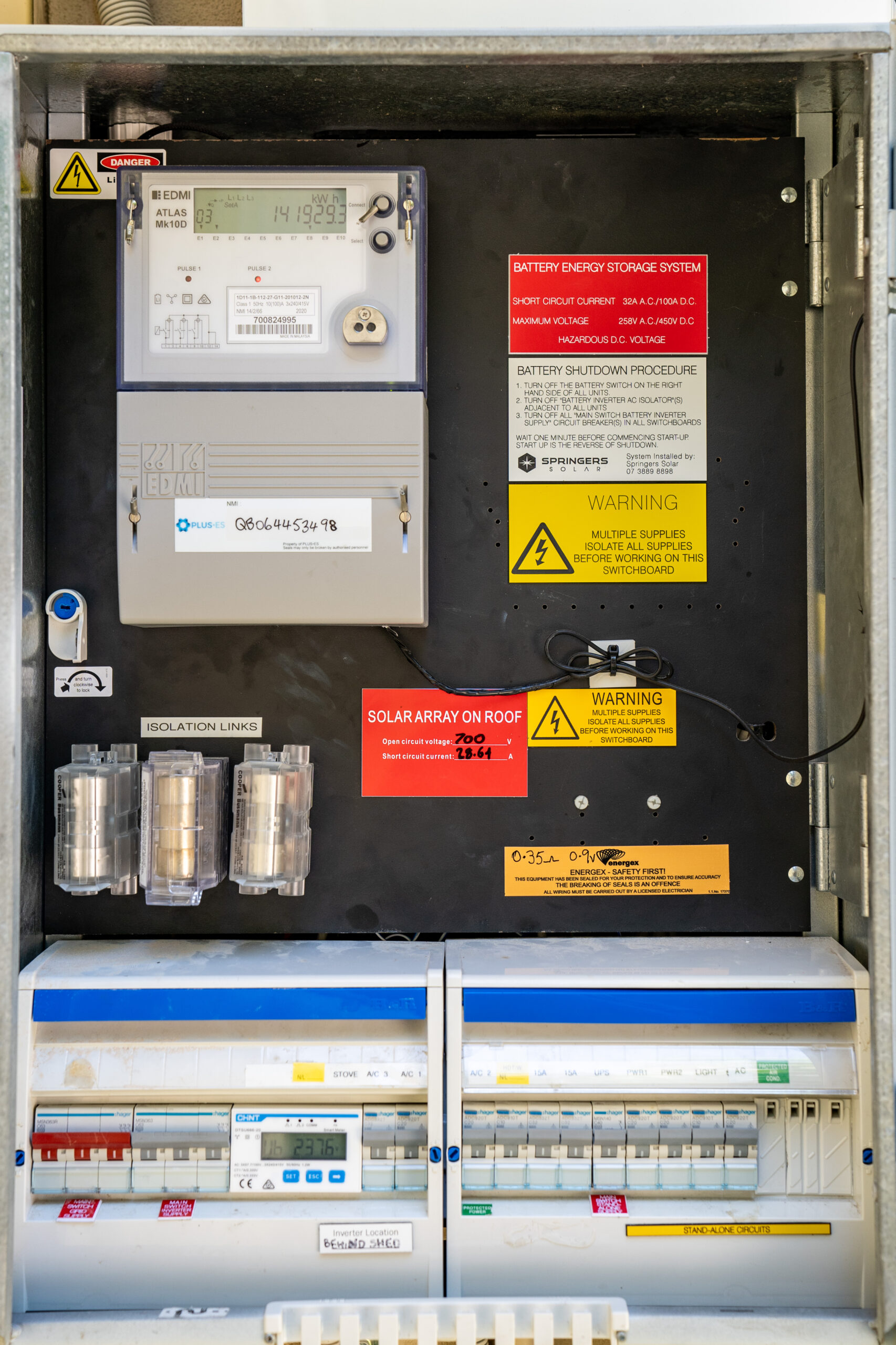
An older switchboard, meter change or extra cabling may be required before connection, affecting the price.
📍
Rebates & Tariffs
The federal incentive reduces up-front cost, while your feed-in tariff influences ongoing returns.
How long until solar pays for itself?
In sunny Brisbane, a well-sized quality system commonly reaches a payback point within roughly three to six years, after which the electricity it generates is effectively free for the remaining life of the panels.
- Daytime usage matters: The more power you use while the sun is shining, the faster your return.
- System size matters: An undersized system caps your savings, an oversized one wastes capital, correct sizing is key.
- Quality matters: A reliable system that performs for 25 years returns far more than a cheap one replaced early.
The honest answer to “what does solar cost?” is “it depends on your home and your usage”, which is exactly why a proper assessment beats a generic online figure. To get an accurate, itemised quote and see the full range of services we offer, visit the NG Trade Solutions homepage and book a consultation with our licensed Brisbane team.
Frequently Asked Questions
Common questions about solar power panel price in Brisbane, answered by our licensed team.
Is the federal rebate already included in solar quotes?
Most reputable installers apply the federal small-scale renewable energy incentive as an up-front discount, so the price you are quoted is your out-of-pocket cost rather than a pre-rebate figure. It is always worth confirming this in writing, because a quote that excludes the incentive will look artificially high, and one that double-counts it will look misleadingly low. Ask each installer to state clearly whether the rebate is included so you are comparing genuine like-for-like prices.
Does a bigger system always save more money?
Not necessarily. The savings come from the power you actually use or export, so a system far larger than your needs can mean paying for capacity you never fully benefit from, especially where feed-in tariffs are modest. The best value comes from a system sized to your real consumption pattern. A licensed installer will review your energy bills and daily usage to recommend a size that maximises savings without overcapitalising on hardware you do not need.
Should I add a battery to my solar system?
A battery lets you store daytime generation for use at night, increasing self-sufficiency and providing some backup during outages, but it is a significant additional cost that lengthens the overall payback period. Whether it stacks up financially depends on your usage pattern, electricity prices and any available battery incentives at the time. Many Brisbane households start with a quality solar system sized for the future and add a battery later once their needs and the economics are clear.